 Strive Osteopathy
Osteopathy Services
Your lower back has been tight for three weeks. You've stretched it, iced it, ignored it. It's not getting better, and you're starting to wonder if it ever will on its own. That's usually when people call us.
Book an Appointment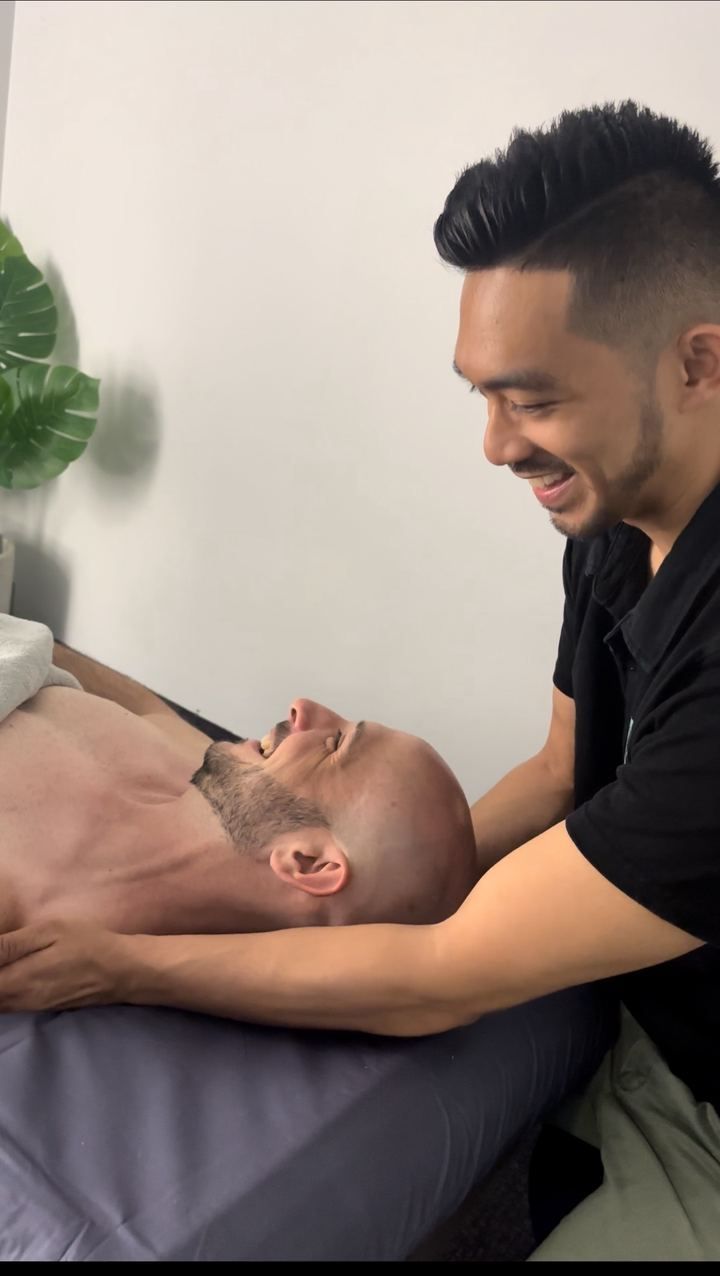
What Is Osteopathy?
Osteopathy is hands-on care for pain and restriction in your muscles, joints, and connective tissue. An osteopath doesn't just work on the sore spot. We assess how your whole body moves, then use manual therapy (stretching, targeted pressure, joint mobilisation, and dry needling where appropriate) to ease tension and restore movement in the area actually driving the problem.
And that's the part people usually don't expect: the cause is rarely where the pain is. If your lower back is screaming, the real issue might be sitting one segment above it or below it: a stiff hip, a locked-up thoracic spine, a shoulder that's been quietly compensating for months.
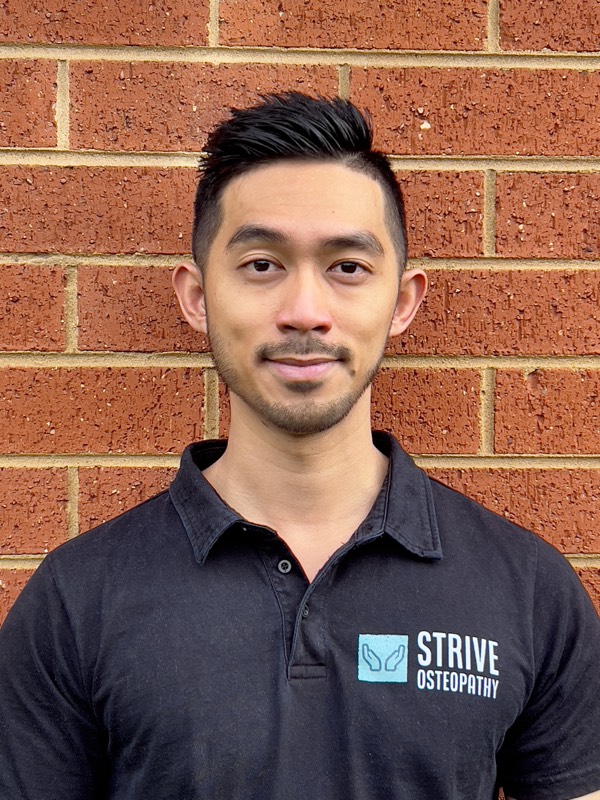
Treated by Joshua Milanes
I'm Joshua Milanes. I've been in clinical practice for 9 years, graduating from RMIT University in 2017. Every session starts the same way: finding what's actually driving the problem, not just where it hurts.
More about my approach →Conditions We Treat
Back pain
Acute and chronic back pain, sciatica, and disc-related pain, from injury, posture, or overuse
Neck pain
Stiffness, tension, whiplash, and restricted movement
Headaches
Tension and cervicogenic headaches, including neck-related dizziness, linked to neck and shoulder tightness
Sports injuries
Sprains, strains, tendinopathies, and overuse injuries, with return-to-sport planning
Joint stiffness
Restricted movement in the back, hips, shoulders, and other joints
Postural issues
TMJ and jaw tension, and pain from desk work, driving, or repetitive tasks
Looking for gym-based rehab instead? See our Supervised Training →
What to Expect in a Session
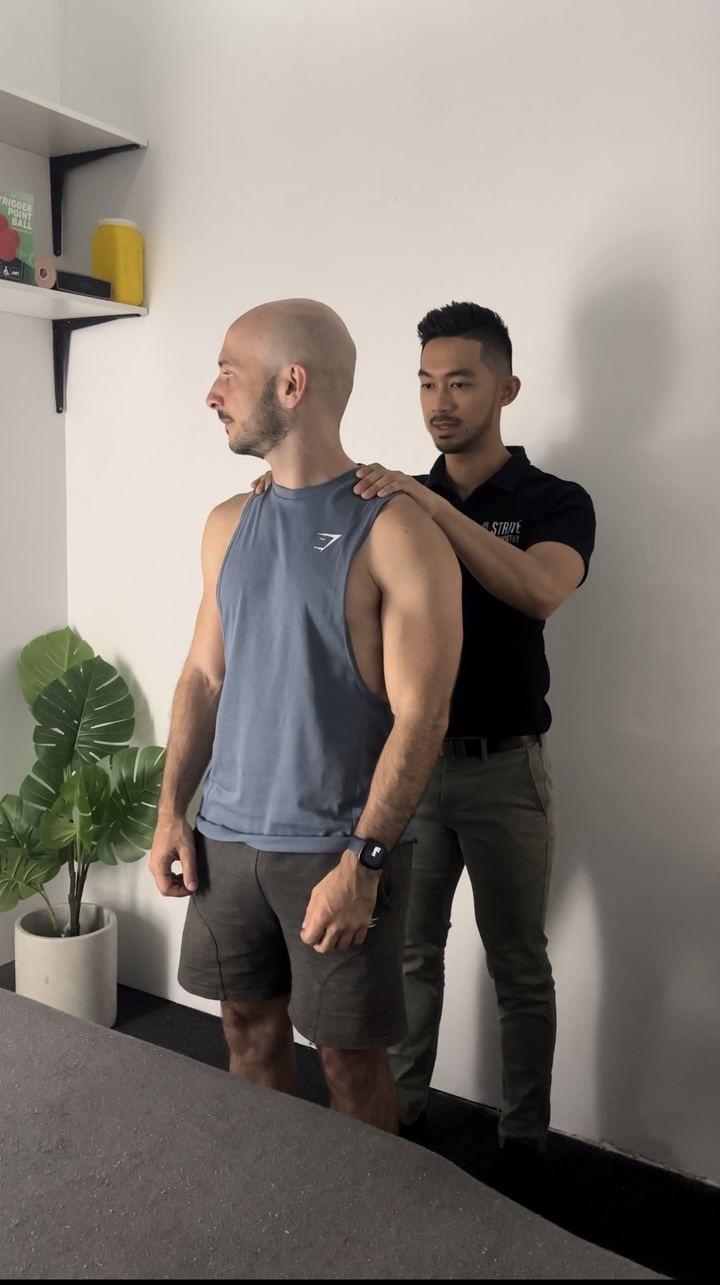
Initial consultation (40 minutes): a full history, a physical assessment of the affected area and the regions connected to it, and treatment in the same appointment where appropriate. You'll leave with an idea of what's driving the issue and what the next few sessions look like.
Standard follow-up (30 minutes): focused on progressing treatment. We check how you've responded, adjust technique, and move from pain relief into the strengthening phase.
Extended consultation (60 minutes): for when a presentation needs more time, whether that's multiple areas to assess, a more involved treatment plan, or a supervised training component built into the same visit.
Most presentations settle into a plan across one to three sessions before you notice a real shift, though that depends entirely on what's going on and how long it's been building. Treatment doesn't stop once the pain settles. We build in strengthening work so the problem is less likely to come straight back.
Frequently Asked Questions
Do I need a referral to see an osteopath?
No referral is needed. You can book directly at either clinic.
Is osteopathic treatment covered by private health insurance?
Most Australian private health funds include osteopathy under extras cover, though the rebate amount depends on your policy, so check with your fund directly.
Does osteopathic treatment hurt?
Techniques range from gentle mobilisation to firmer pressure on tight tissue. Most people describe it as a strong but manageable sensation, not sharp pain.